




Heavy conveyor systems keep material moving across steel plants, cement units, mines, power stations, and bulk handling facilities. These systems work day after day under pressure, and much of that responsibility rests on a component most people never notice: the bearing.
Among the many bearing options available, white metal bearings for heavy conveyor shafts continue to be chosen where weight, heat, and nonstop operation call for steady performance rather than high speed. Their role has not diminished over time. Instead, it has become clearer as industries place greater importance on uptime, safety, and dependable operation.
This article looks at why white metal bearings remain critical in heavy conveyor applications, how they function in demanding conditions, where they perform better than other bearing types, and what to keep in mind when sourcing them from an experienced manufacturer like Metatek Engineering.
Understanding White Metal Bearings in Conveyor Applications
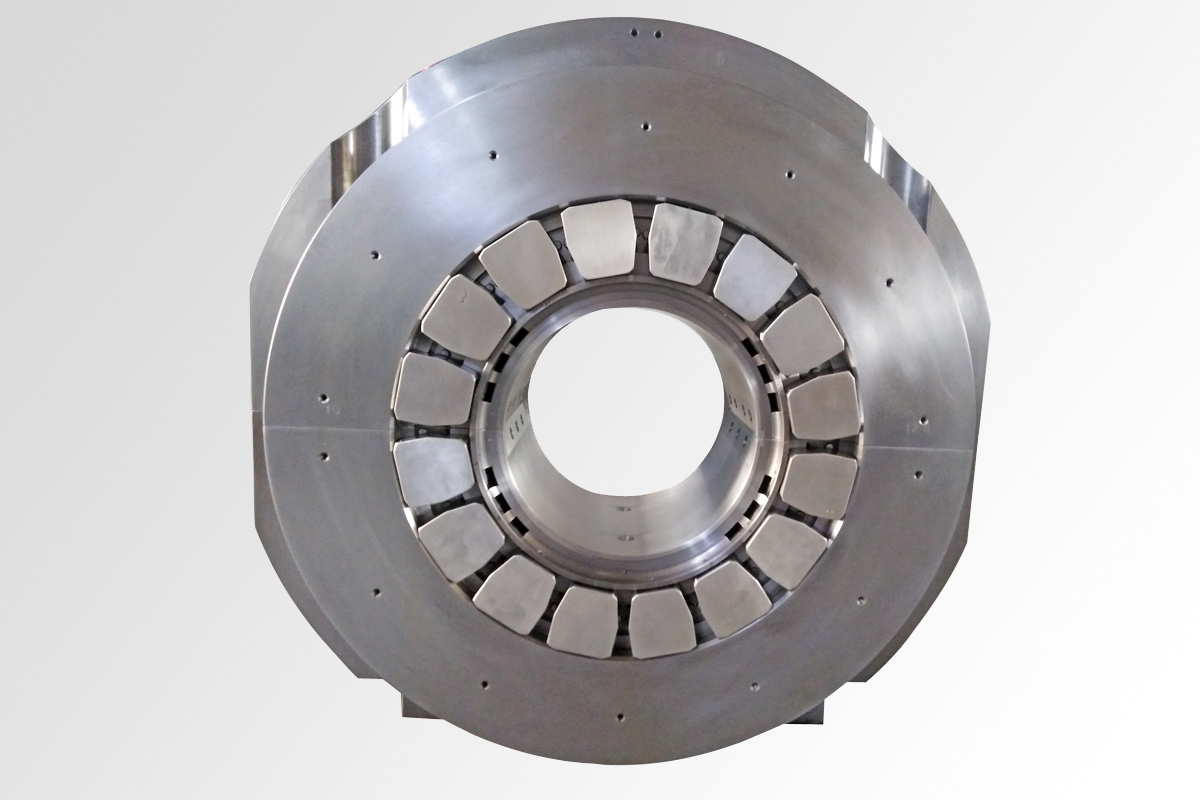
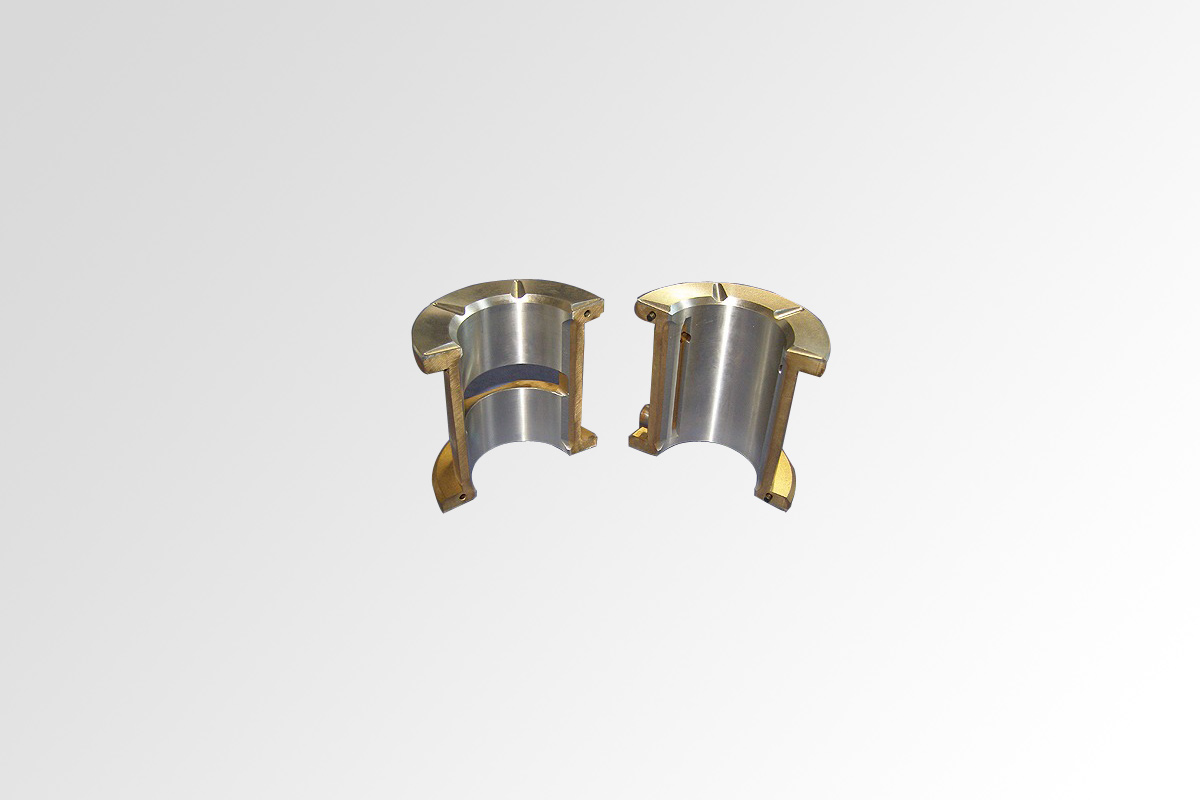
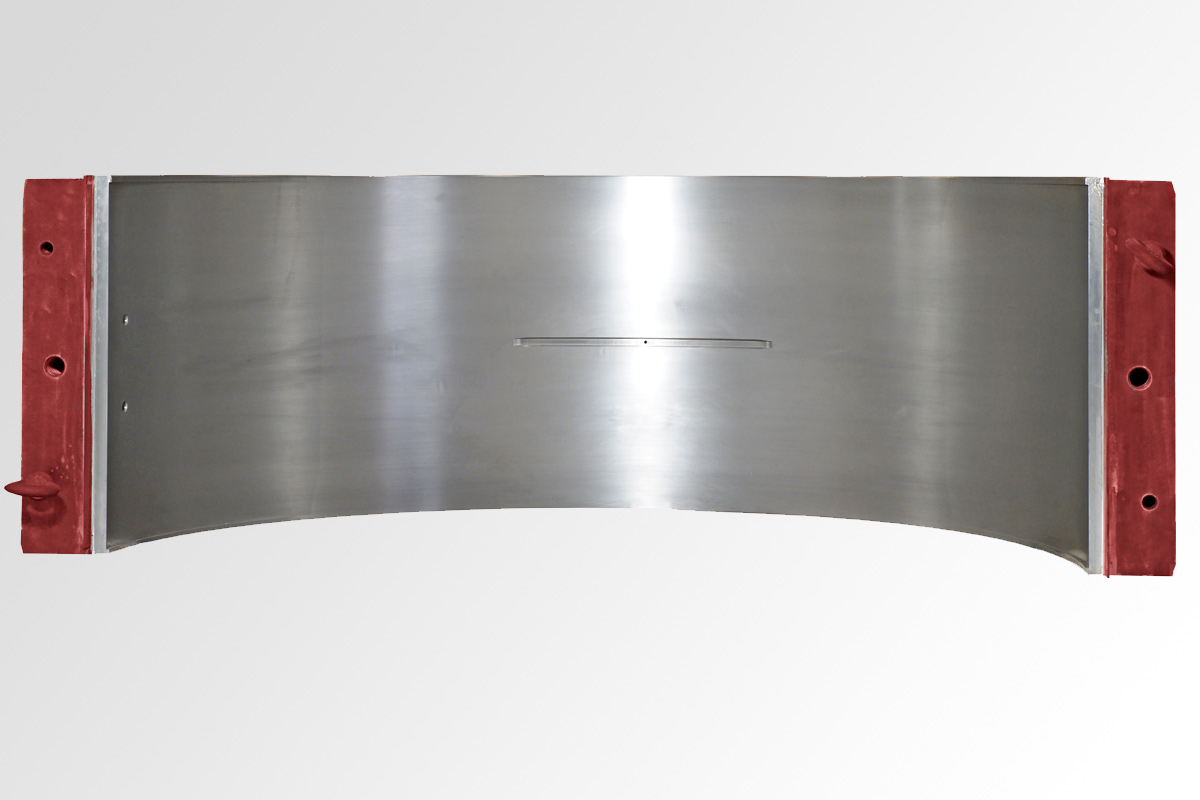
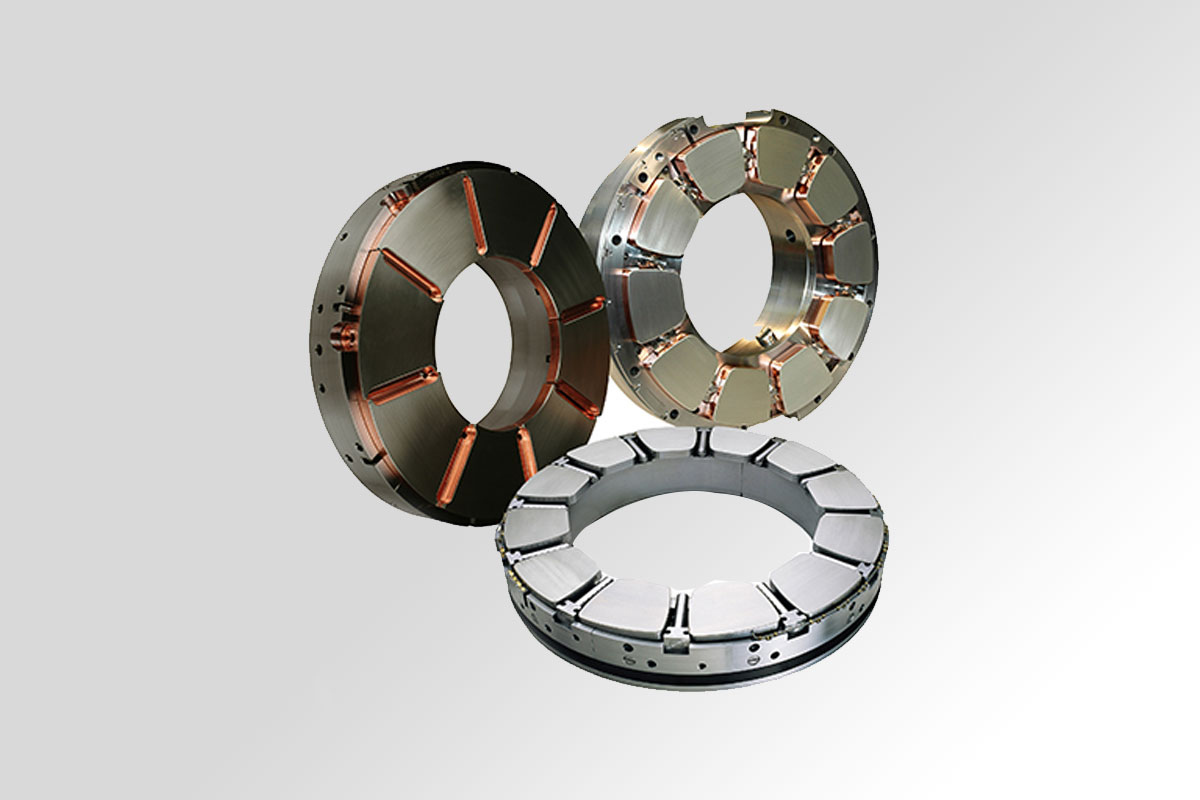
White metal bearings, also known as babbitt bearings, are plain bearings lined with a soft alloy composed primarily of tin or lead, combined with antimony and copper. This lining is bonded to a steel or cast iron shell, creating a bearing that can withstand heavy loads while protecting the shaft surface.
In conveyor systems, these bearings are typically used for:
- Head shaft and tail shaft assemblies
- Drive shaft support
- Take-up pulley shafts
- Slow-speed, high-load conveyor rollers
Their purpose is not to reduce friction to the lowest possible level, but to manage load, absorb misalignment, and survive harsh operating conditions.
Why White Metal Bearings Suit Heavy Conveyor Shafts
High Load Capacity at Low Speeds
Conveyor shafts often rotate at low to moderate speeds while carrying extreme radial loads. Rolling element bearings struggle in such conditions due to surface fatigue and point loading.
White metal bearings distribute load evenly across a larger surface area, making them well suited for:
- Long conveyor lines
- Overloaded start-stop cycles
- Systems handling raw material or slag
This even load distribution reduces shaft wear and extends service life.
Excellent Conformability and Shaft Protection
One of the defining properties of white metal is its ability to conform to shaft irregularities. Minor misalignment, shaft deflection, or installation error does not immediately lead to failure.
In conveyor environments where perfect alignment is difficult to maintain, this becomes a major advantage.
If abnormal contact occurs, the bearing surface sacrifices itself before damaging the shaft. From a maintenance perspective, replacing a bearing is far more practical than machining or replacing a large conveyor shaft.
Embedded Debris Handling
Industrial conveyor systems often operate in dusty, abrasive environments. Fine particles inevitably enter lubrication systems.
White metal bearings have the ability to embed small contaminants into the soft lining, preventing scoring or seizure of the shaft. This property alone makes them a dependable solution in mining, cement, and power plant conveyors.
Thermal Stability and Heat Dissipation
Heavy conveyors generate heat due to constant load and friction. White metal bearings dissipate heat efficiently through the bearing housing and lubrication film.
When correctly designed and lubricated, they perform reliably even under continuous operation where temperature stability is critical.
Typical Industries Using White Metal Conveyor Bearings
White metal bearings are commonly specified in conveyor systems across several sectors:
- Steel plants for sinter and raw material conveyors
- Cement plants for clinker and limestone handling
- Mining operations for ore and overburden conveyors
- Thermal power plants for coal handling systems
- Bulk ports and terminals for loading and unloading conveyors
In these environments, reliability often matters more than compact design or high rotational speed.
Design Considerations for Conveyor Shaft Bearings
Choosing the right white metal bearing is not only about size. Proper design ensures performance and longevity.
Load and Speed Calculations
Bearing selection must account for:
- Radial load from belt tension and material weight
- Axial forces, if present
- Operating speed
- Shock loads during start-up
Incorrect load estimation is a common cause of premature bearing failure.
Lubrication Method
Most conveyor white metal bearings operate with:
- Oil bath lubrication
- Circulating oil systems
- Forced lubrication for critical installations
The bearing design must support proper oil film formation at low speeds.
Clearance and Alignment
Adequate clearance allows for:
- Thermal expansion
- Shaft deflection
- Oil film stability
Manufacturers such as Metatek Engineering machine bearings with controlled tolerances to ensure consistent performance in real-world conditions.
Manufacturing Quality Matters
Not all white metal bearings perform the same. Manufacturing technique directly affects reliability.
Key quality factors include:
- Proper metal composition and alloy control
- Strong bonding between the white metal lining and the steel shell
- Uniform lining thickness
- Precision machining after casting
Poor bonding or uneven lining leads to cracking, peeling, or hot spots under load.
This is where experience matters. A manufacturer familiar with heavy conveyor applications understands how operating conditions influence bearing behaviour over time.
Maintenance Advantages of White Metal Bearings
From an operational standpoint, white metal bearings offer several maintenance benefits:
- Easy inspection for wear patterns
- Predictable failure modes
- Re-metalling and refurbishment instead of full replacement
- Reduced risk of catastrophic shaft damage
For large conveyor systems, these advantages translate into lower downtime and controlled maintenance costs.
Common Failure Causes and How to Avoid Them
While white metal bearings are robust, failures usually occur due to avoidable reasons:
- Insufficient lubrication
- Contaminated oil
- Excessive misalignment
- Overloading beyond design limits
Working with a bearing manufacturer that understands conveyor duty conditions helps prevent these issues at the design stage.
Choosing the Right Bearing Partner
When sourcing white metal bearings for conveyor shafts, buyers should look beyond price.
Key questions to ask include:
- Does the manufacturer understand conveyor load behaviour
- Can they customise bearings for existing housings
- Do they offer re-metalling and repair services
- Is technical support available during installation
A bearing is not a consumable item. It is a structural component of the conveyor system.
Why Choose us?
We, at Metatek Engineering, manufacture white metal bearings for heavy conveyor shafts with a focus on industrial reliability rather than generic specifications.
Their approach includes:
- Application-specific bearing design
- High-quality white metal alloys suitable for continuous load
- Controlled casting and bonding processes
- Precision machining for correct clearances
- Support for new installations and replacement requirements
For industries where conveyor downtime affects production targets, such consistency matters more than catalog numbers.
Final Thoughts
White metal bearings are trusted in heavy conveyor systems because they work reliably under real industrial conditions. They handle heavy loads, minor misalignment, and harsh environments while protecting the shaft from damage.
When manufactured with experience and proper design by Metatek Engineering, these bearings support smooth operation, reduce maintenance issues, and help conveyor systems last longer.
In conveyor systems where failure is not an option, proven engineering still matters.