




High-load industrial pumps are built to keep going, not to rest. In power plants, refineries, water treatment units, and heavy factories, these pumps often run nonstop for weeks or even months. They deal with heavy flow, pressure swings, heat changes, and shifting loads that put constant stress on every part inside.
Most people focus on motors or seals, but it is usually the bearing that decides how long the pump will last. When the bearing is doing its job well, the pump runs quietly and steadily, almost unnoticed. When it is not, problems start showing up very quickly. When it does not, problems surface quickly and often without warning. When it does not, the damage spreads quickly to shafts, housings, and sometimes the entire system.
Among the different bearing types used in high-load pump applications, white metal bearings have earned long-term trust across industries. Their value does not come from complexity, but from how well they behave under stress.
Problems such as cavitation, shaft misalignment, and lubrication breakdown are common in high-load pump systems. These issues do not always start as major faults. Often, they develop slowly due to operating conditions, installation practices, or changes in process demand. A bearing that cannot adapt to these realities tends to fail early. White metal bearings, when designed and maintained correctly, offer a level of forgiveness that many modern alternatives do not.
This article looks at how white metal bearings function inside high-load pumps, why common problems like cavitation and lubrication failure occur, and how proper bearing selection and design can reduce breakdowns.
Understanding White Metal Bearings in Pump Applications
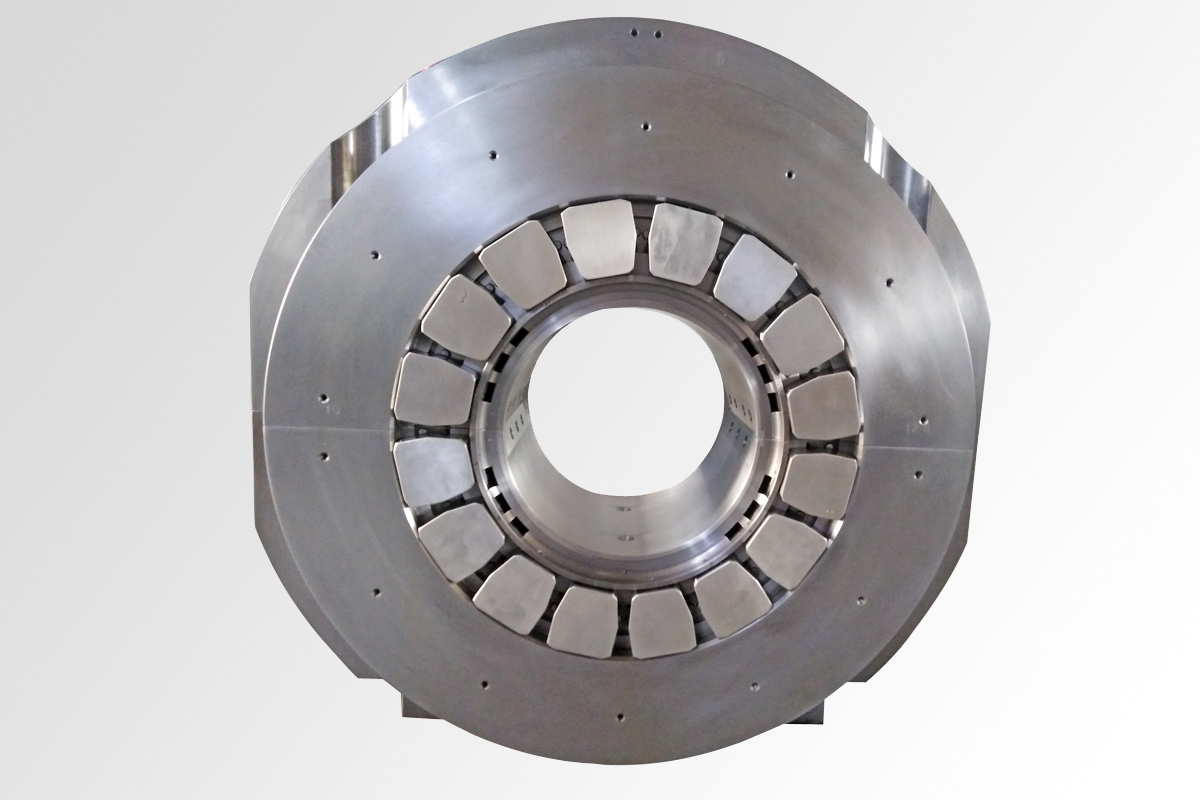
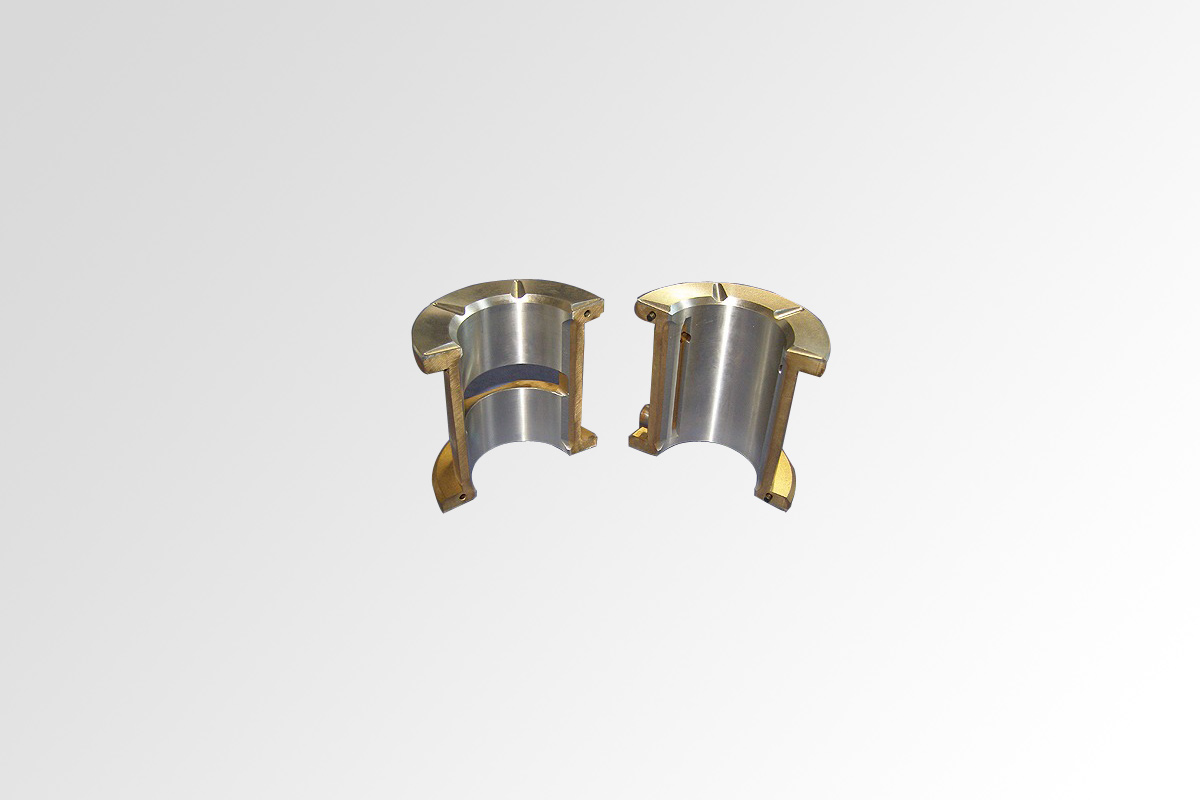
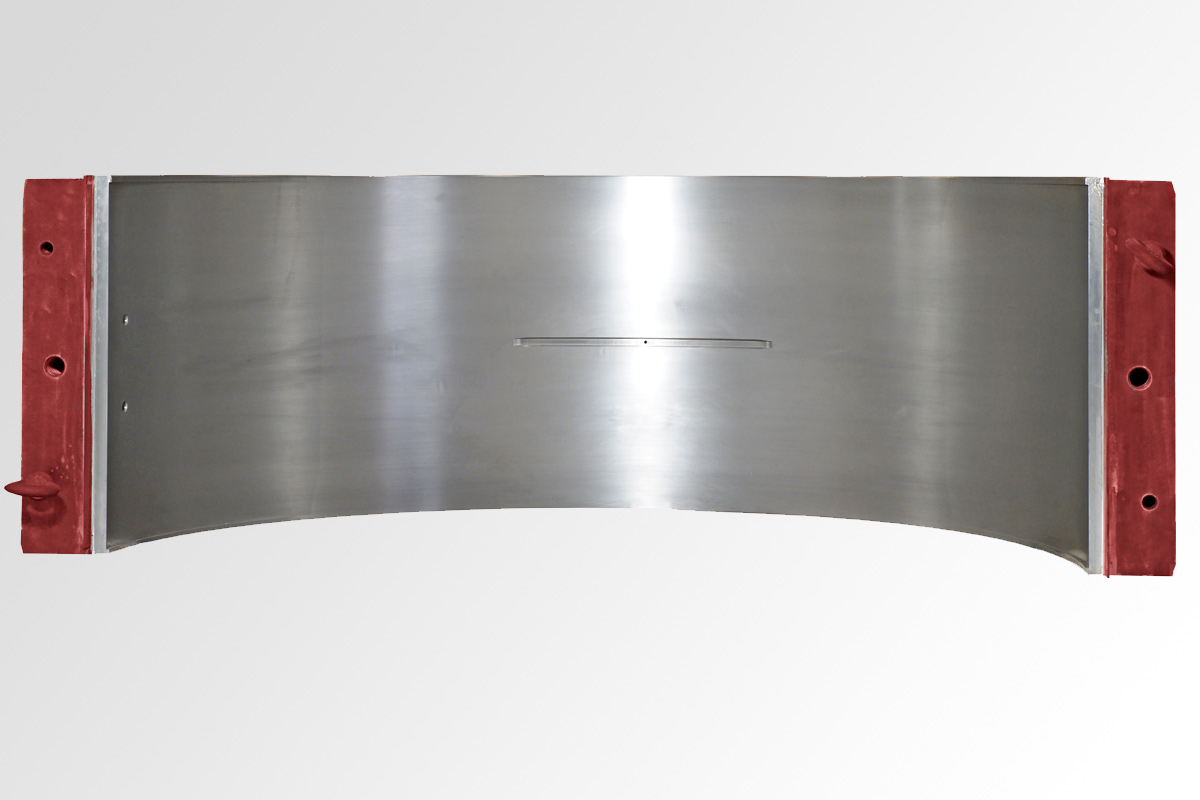
White metal bearings, often referred to as Babbitt bearings, are plain bearings lined with a soft alloy made primarily of tin, lead, copper, and antimony. Unlike rolling bearings, they do not rely on balls or rollers. Instead, they support the shaft on a thin, pressurized oil film.
This design may appear simple, but it offers several advantages in heavy-duty pump environments:
- Excellent load distribution over a large surface area
- Ability to embed small contaminants without damaging the shaft
- Low friction when properly lubricated
- High tolerance to alignment errors
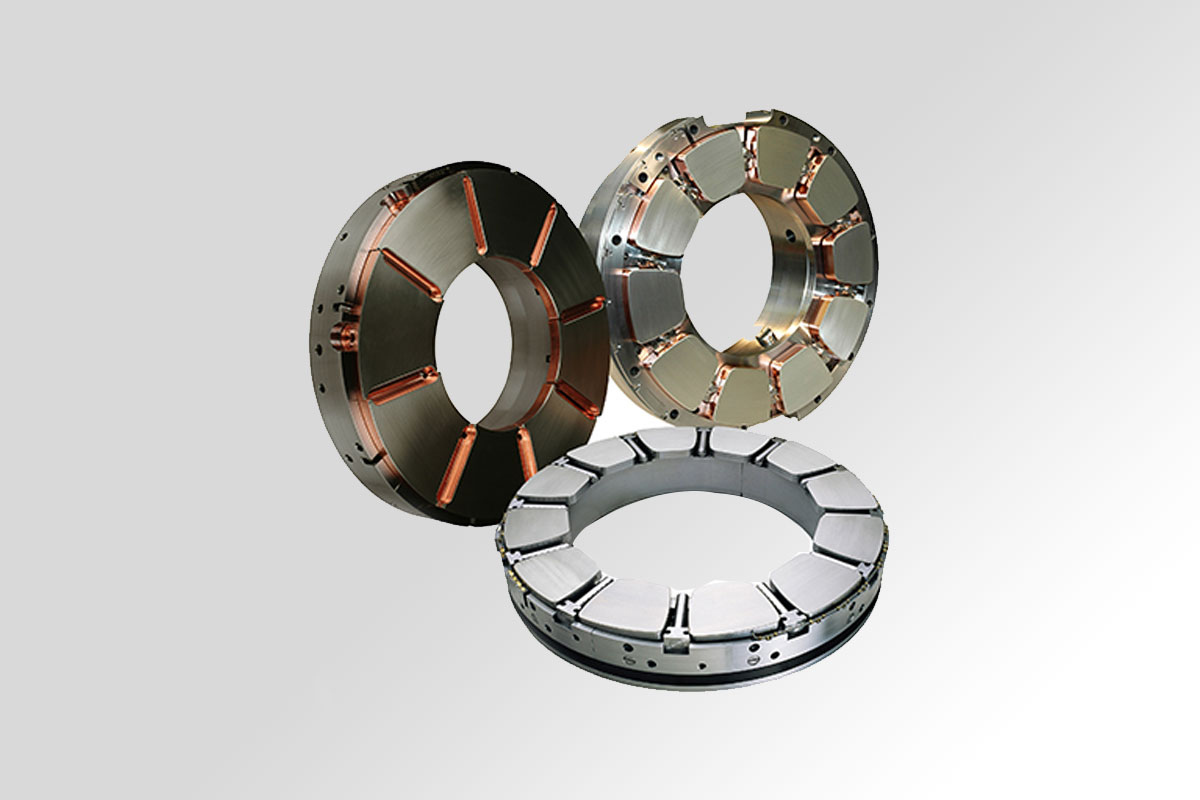
For pumps that handle high axial and radial loads, white metal bearings provide a stable and forgiving support system that protects more expensive components like shafts and housings.
Why High-Load Pumps Prefer White Metal Bearings
High-load pumps operate under conditions that are not ideal for precision rolling bearings. Loads fluctuate. Fluids vary in temperature and cleanliness. Alignment shifts slightly over time due to thermal expansion or foundation settling.
White metal bearings perform well in such real-world conditions because:
- They deform slightly under load instead of cracking
- They sacrifice themselves before damaging the shaft
- They perform reliably at low and moderate speeds
- They are easier to refurbish compared to rolling bearings
This is why industries still rely on white metal bearings even with the availability of advanced bearing technologies.
Cavitation and Its Impact on Bearings
Cavitation occurs when vapor bubbles form in a fluid due to pressure drops and then collapse violently when pressure recovers. In pumps, this usually happens near the suction side or when operating outside the recommended range.
While cavitation is often discussed in terms of impeller damage, it also affects bearings.
How Cavitation Damages Bearings
Cavitation creates vibration, pressure pulsations, and unstable shaft motion. These effects can:
- Break down the oil film supporting the shaft
- Causes uneven loading on the bearing surface
- Increase localized heating
- Lead to premature white metal fatigue
White metal bearings handle cavitation-related stress better than hard bearing materials because their softer lining absorbs vibration rather than transferring it directly to the shaft.
However, persistent cavitation will still reduce bearing life if the root cause is not addressed.
Misalignment: A Silent Bearing Killer
Even well-installed pumps can develop misalignment over time due to:
- Thermal growth during operation
- Foundation movement or settling
- Pipe strain
- Improper assembly after maintenance
Perfect alignment on paper rarely remains perfect in real operation.
Why White Metal Bearings Tolerate Misalignment Better
Rolling bearings require near-perfect alignment to distribute load evenly. Even small angular errors can cause edge loading and early failure.
White metal bearings, on the other hand:
- Allow slight shaft deflection
- Redistribute the load across the bearing surface
- Prevent stress concentration at a single point
This makes them especially suitable for large pumps where alignment conditions change during startup, shutdown, and load variation.
Still, excessive misalignment will eventually wipe the oil film and lead to metal-to-metal contact, which is why proper installation and periodic checks remain critical.
Lubrication Challenges in High-Load Pumps
White metal bearings do not operate on direct contact. They depend entirely on a continuous, stable oil film to separate the shaft from the bearing surface.
When lubrication fails, damage occurs quickly.
Common Lubrication Problems
In industrial pump systems, lubrication issues usually arise from:
- Incorrect oil viscosity
- Contaminated lubricant
- Inadequate oil supply
- Blocked oil grooves or passages
- Overheating leads to oil breakdown
Once the oil film collapses, white metal begins to smear, wipe, or melt locally.
Why Bearing Design Matters
Properly designed white metal bearings include:
- Correct oil groove geometry
- Adequate oil inlet positioning
- Optimized clearance for load and speed
- Uniform lining thickness
Manufacturers like Metatek Engineering focus heavily on these design aspects to ensure lubrication remains stable even under fluctuating loads.
Material Quality and Bonding Strength
Not all white metal bearings perform the same.
The performance of a bearing depends on:
- The composition of the white metal alloy
- Bonding strength between the lining and base metal
- Surface finish accuracy
- Heat treatment of the backing shell
Poor bonding can cause the lining to separate under load. Inferior alloys may fatigue early or lose strength at elevated temperatures.
This is why high-load pump bearings should always come from manufacturers that control casting, machining, and inspection in-house.
Customization for Real Operating Conditions
Standard bearings often fail not because the concept is wrong, but because the design does not match the application.
Custom-engineered white metal bearings consider:
- Actual operating load, not theoretical load
- Shaft diameter and deflection
- Oil type and supply method
- Operating temperature range
- Start-stop frequency
Metatek Engineering works closely with plant teams to design bearings based on actual field conditions rather than catalogue assumptions. This approach significantly reduces repeat failures.
Maintenance Practices That Extend Bearing Life
Even the best bearing design cannot survive poor maintenance. Plants that achieve long bearing life usually follow a few consistent practices:
- Maintain oil cleanliness through filtration
- Monitor bearing temperature trends
- Check alignment during major shutdowns
- Avoid dry starts
- Replace bearings proactively during overhauls
White metal bearings offer the advantage of visual wear assessment. Early signs like discoloration or localized wiping provide warnings before catastrophic failure occurs.
Final Thoughts
White metal bearings continue to be widely used in high-load pump systems for one simple reason: they perform well under real working conditions. In many industrial settings, pumps deal with vibration, uneven loading, and operating changes that cannot always be controlled. White metal bearings are able to absorb the effects of cavitation, handle small degrees of shaft misalignment, and provide a safety cushion when lubrication is not perfectly consistent. This tolerance makes them especially valuable in plants where equipment runs continuously, and ideal conditions are rare.
When a white metal bearing is designed around the real load the pump carries and the conditions it actually runs in, it tends to do its job quietly and reliably for a very long time. Add regular, practical maintenance instead of rushed fixes, and these bearings often run for years without drawing attention to themselves.
For industries where uptime matters more than short-term savings, working with an experienced manufacturer like Metatek Engineering makes a clear difference. The bearing is built with real operating stresses in mind, based on how the pump behaves on the floor, not just what the calculations suggest on paper.