

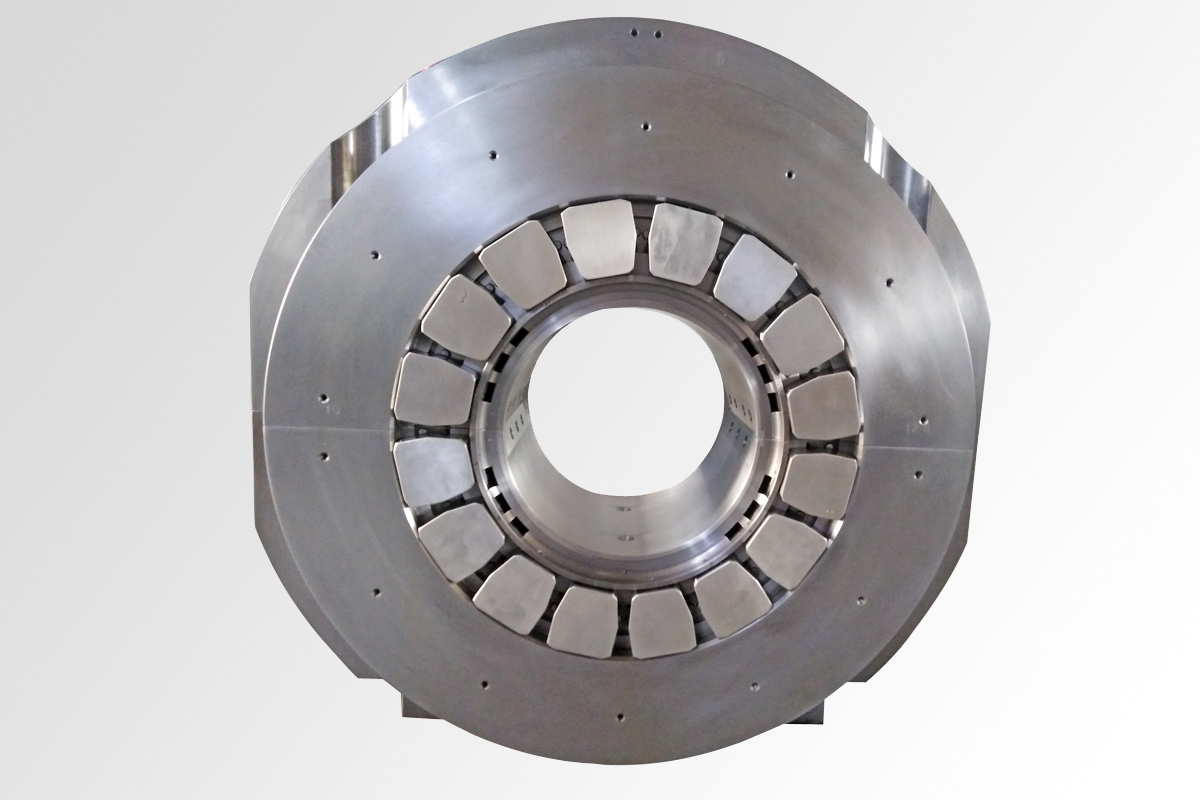
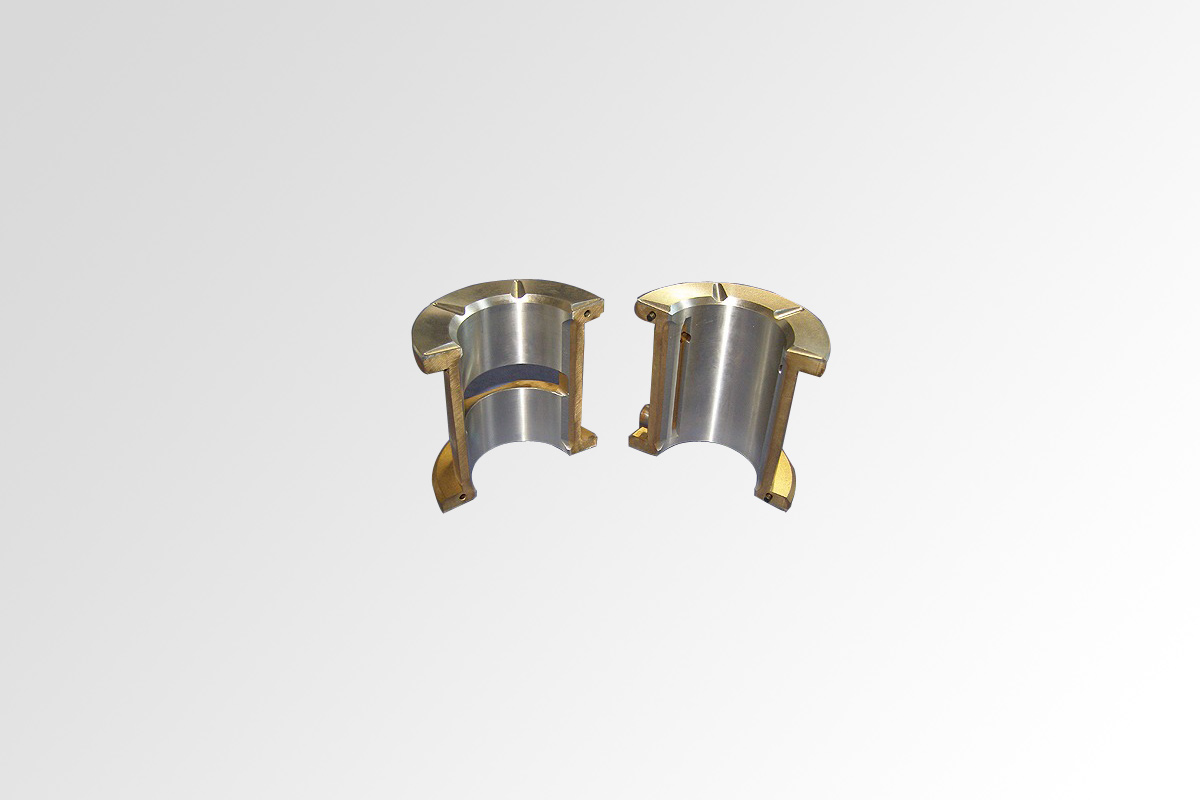
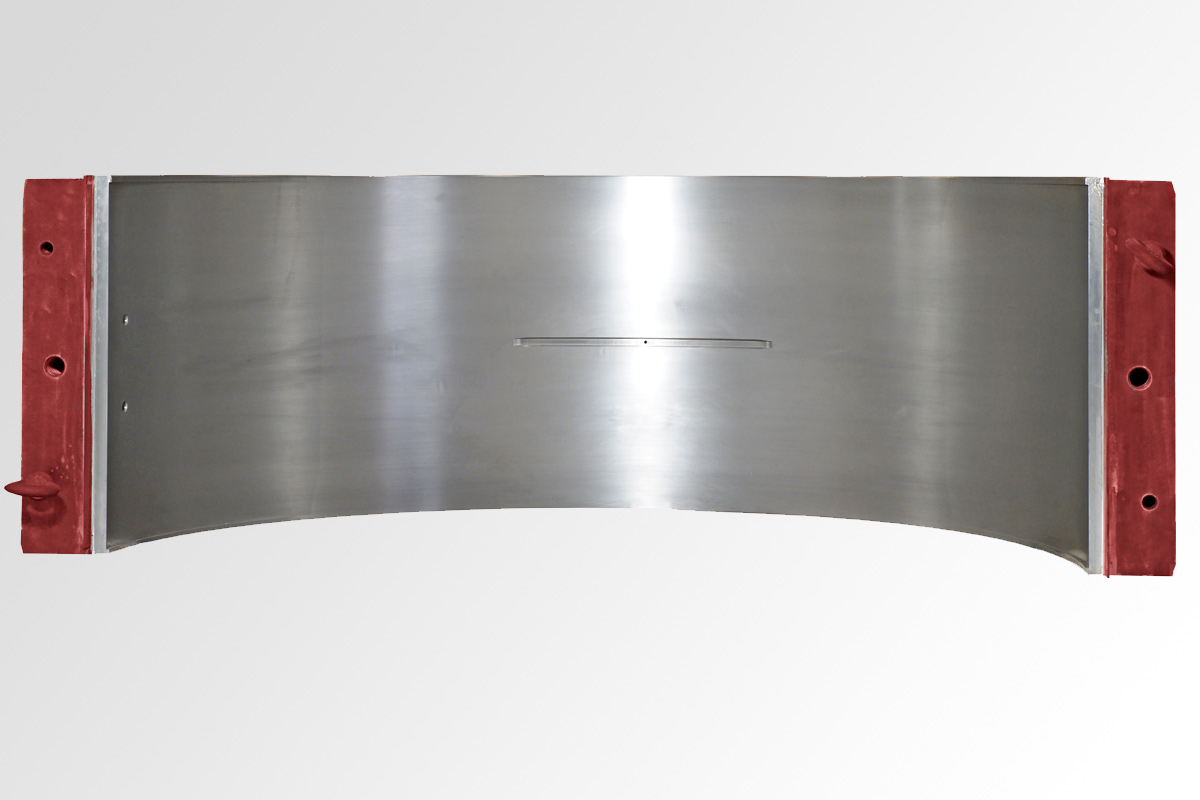

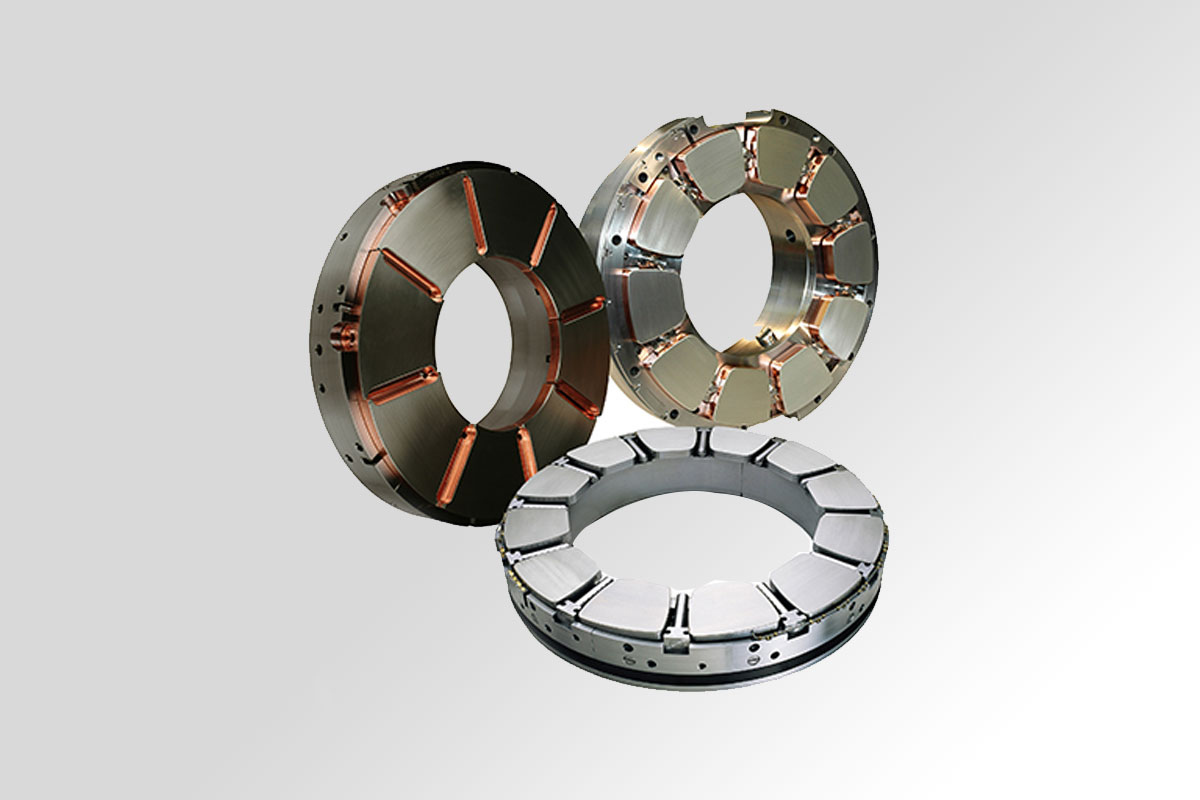


Anyone who has spent time inside a plant knows how unpredictable machines can be. Some of them appear strong from the outside, but the real strength often depends on a few small components hidden inside the housing. Bearings fall into that category. They take the weight, absorb the shock, and still keep the shaft moving without complaint. When the load is light or the work is simple, a regular bearing does the job. But once the machine starts handling heavy pressure, long hours, or uneven motion, only a high-load capacity bearing can survive without constant trouble.
Over the years, many industries have shifted toward these heavy-duty bearings because they noticed a clear difference in machine behaviour. Downtime was reduced, vibration was lowered, and the machines simply felt more stable. That is one reason companies keep turning to manufacturers like Metatek Engineering, who are known for sturdy material choices and thoughtful engineering.
What Makes High-Load-Capacity Bearings Different
A high-load capacity bearing isn’t just a stronger version of a normal bearing. It is built with the idea that machinery in real industry hardly gets perfect conditions. There is dust in the air, temperature swings near furnaces, vibration from nearby equipment, and operators who push machines harder than planned because production targets do not wait.
The design of these bearings considers all of this. They are made from steel grades that can survive continuous pressure. Their internal surfaces are shaped to distribute weight so the load does not concentrate on one small point. They are engineered in a way that small misalignments do not break them immediately.
Now, bearings mostly deal with two types of load.
Radial load comes from the side. It is the force that presses the bearing from the outer edge toward the centre. Motors, conveyor rollers, and gearbox shafts generate this kind of load.
Axial load moves along the shaft. Vertical pumps, screw compressors, and anything that pushes straight up or down create axial force.
Some bearings handle only radial load. Some balance both. High load capacity bearings usually deal with mixed loads because industrial machines rarely move in one clean direction.
Why Heavy-Duty Bearings Matter More Than People Realise
When a bearing fails, the machine does not give you much warning. A little rise in temperature, faint noise, or slight vibration may appear, but in many plants, these signs get ignored because work must continue. Then, suddenly, the entire line stops. It may take hours to remove the bearing if its housing is in a difficult spot. The shaft may also get damaged because it ran with improper alignment.
If you ask anyone who works in maintenance long enough, they will tell you they would rather replace a belt, a seal, or even a small motor than deal with a bearing failure in the middle of the shift.
With heavy-duty bearings, the machine stays stable even during peak load. Heat generation reduces. Wear patterns stay predictable. Vibrations drop to safer levels. And most importantly, maintenance becomes planned instead of accidental.
Where These Bearings Are Used Most Often
Different industries adopt heavy-duty bearings for different reasons. In steel plants, the load is genuinely heavy and the temperature unforgiving. Rollers, furnaces, and casting equipment need bearings that will not deform under heat or pressure.
Mining equipment faces another problem: shock and dust. Crushers, screeners, and drilling machinery shake so much that weak bearings simply do not last. Cement plants run kilns, mills, and crushers almost around the clock, so their main concern is long continuous operation.
In power generation, turbines and generators run at high speed. They need bearings that can stay balanced and cool. Manufacturing units that use CNC machines or robotic equipment need precision rather than raw strength, but the requirement is still the same: the bearing must not wobble.
Agricultural machinery has its own challenges. Tractors and harvesters work on uneven ground with constant jerks. Their bearings need endurance more than anything else.
Types of High-Load-Capacity Bearings Explained Simply
There are many types of bearings, and each one fits a specific purpose. Here is a practical breakdown rather than a textbook explanation.
Spherical roller bearings
These are favourites in heavy industries because they can handle uneven loads. Even if the shaft is slightly misaligned, they keep running.
Tapered roller bearings
They support both radial and axial loads. They are common in gearboxes, wheel hubs, and shafts that experience push and pull along with rotation.
Cylindrical roller bearings
These handle a high radial load. Their rollers are straight and long, so the contact surface is larger.
Needle bearings
These look slim, but do not be fooled. They can carry a surprising amount of weight in tight spaces.
Thrust bearings
Thrust bearings focus on axial force. Vertical machines often use them because the load travels in one direction.
Custom bearings
Some plants have old or unique machines where the standard size does not fit, or the working conditions are too rough. Companies such as Metatek Engineering make custom bearings for those situations.
What Truly Makes a Bearing “Heavy-Duty”
People often assume heavy-duty simply means strong metal. In reality, strength comes from several decisions made during manufacturing.
The steel grade matters.
Heat treatment changes how the metal behaves under stress.
The surface finish controls friction.
The roller design decides how the load spreads.
Lubrication pathways decide whether the bearing runs cool.
When all these elements come together, the bearing earns the title of high load capacity.
How Better Bearings Improve Machine Output
When a machine has the right bearing, it doesn’t fight against itself. Energy loss reduces because the rotation becomes smoother. The machine reaches its intended speed faster. Operators feel less vibration in the body of the machine, which improves accuracy for processes like cutting, grinding, filling, or packing.
Maintenance teams also benefit. Instead of dealing with random failures, they can plan lubrication, alignment checks, and replacements at comfortable intervals.
Choosing the Correct Bearing for Your Plant
There is no one-size-fits-all approach here. Before buying a bearing, engineers usually check:
How much weight the bearing must hold
How fast does the shaft rotate
The temperature near the machine
Whether dust, moisture, or chemicals are present
The reliability of the supplier
Whether a standard or custom bearing is required
A well-selected bearing supports the entire machine and prevents a long chain of problems.
Tips to Make Bearings Last Longer
Even the strongest bearing can fail if not handled properly. Good lubrication reduces friction. Clean installation prevents early damage. Misalignment is a silent destroyer, so regular alignment checks help a lot. Watching for rising temperatures is also important because heat often shows the first sign of trouble.
Replacing a worn bearing early is cheaper than repairing a shaft or housing later.
Why Many Plants Trust Metatek Engineering
Metatek Engineering has become a dependable name because clients notice how their bearings behave in real environments. The materials are strong, the machining is accurate, and the overall design aims for long-term stability. Plants that cannot afford frequent breakdowns choose bearings that can take the load without complaining, and Metatek has earned that trust over time.
Final Thoughts
High load capacity bearings may appear to be insignificant and not so impressive by their outside look; however, they take responsibility that is more than most people know. A good bearing ensures the machine is working continually, safe operators, and no expensive downtimes.
When these bearings are selected with great care and maintained correctly, they not only prolong machine life but also bring the owners comfort. For the factories that depend on heavy equipment, partnering with a reliable supplier like Metatek Engineering ensures stable and expected performance.